
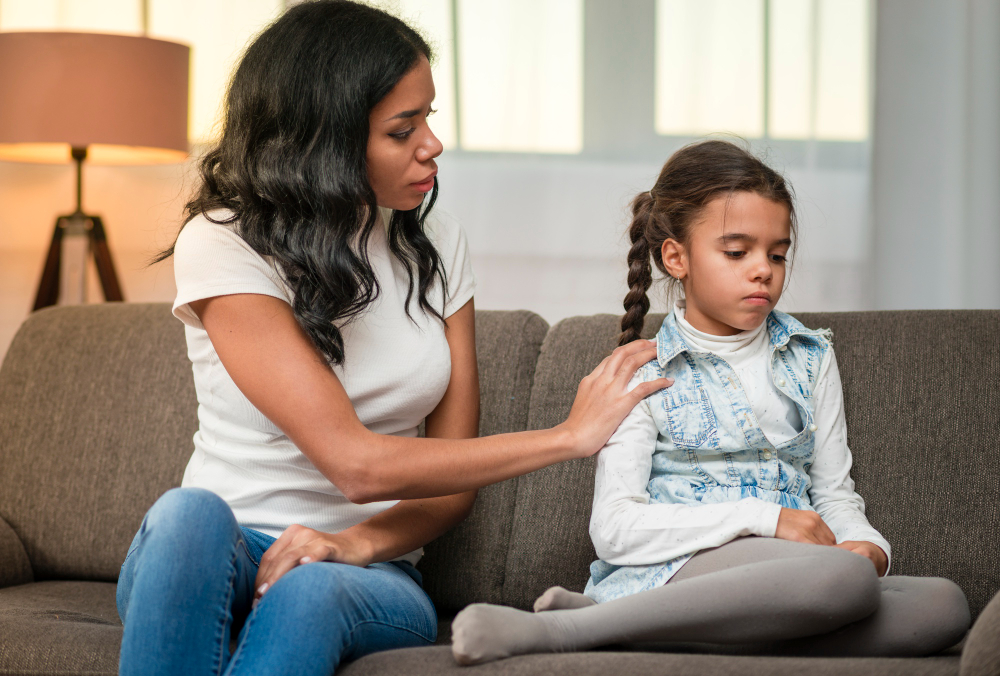
Introduction: Understanding Mental Health in Children
Mental health in children is just as important as physical health. It affects how kids think, feel, and act every day. Good mental health helps children learn, build friendships, and handle stress. However, some children may face mental health problems. Early support can make a big difference. According to the CDC, about 1 in 6 children in the U.S. has a mental health disorder each year. Because of this, parents and caregivers should know the signs and ways to help.
Common Signs and Symptoms of Mental Health Issues in Children
Children may not always say when they feel sad or worried. Instead, they might show changes in behavior or mood. For example, you might notice:
Sometimes, these signs can be part of normal growth. However, if they last for weeks or get worse, it may be time to seek help.
Causes and Risk Factors
Many things can affect mental health in children. Some causes are linked to biology, while others come from the child’s environment or social life. Here are some common risk factors:
Not every child with these risks will develop problems. Still, knowing them can help parents watch for early signs.
Diagnosis and When to Seek Professional Help
Early diagnosis is key for child mental health support. If you notice lasting changes in your child’s mood or behavior, talk to your child’s doctor. They may suggest seeing a mental health specialist. Professionals use interviews, checklists, and sometimes tests to understand what your child needs. For example, they may ask about your child’s feelings, school life, and family history. If you are unsure, it is always better to ask for help sooner rather than later.
Treatment Options for Children’s Mental Health
Treatment depends on the child’s needs. Most children benefit from therapy or counseling. Sometimes, doctors may suggest medication, especially for conditions like ADHD or depression. Common treatments include:
With the right support, many children see big improvements in their mental health.
Lifestyle Guidance for Parents and Caregivers
Parents and caregivers play a big role in child mental health support. Here are some ways to help at home:
Above all, show patience and understanding. Children need to feel safe and loved at home.
Prevention and Early Intervention Strategies
Early action can prevent problems from getting worse. For example, teaching children how to handle stress helps build strong coping skills. You can also:
When families and schools work together, children get better support.
Conclusion: Take Action for Your Child’s Well-Being
In summary, mental health in children is vital for their growth and happiness. Early signs can be easy to miss, but support and understanding make a big difference. If you are concerned about your child’s mental health, consult a pediatric specialist at Dr. Vaidehi Patel for personalized guidance.