
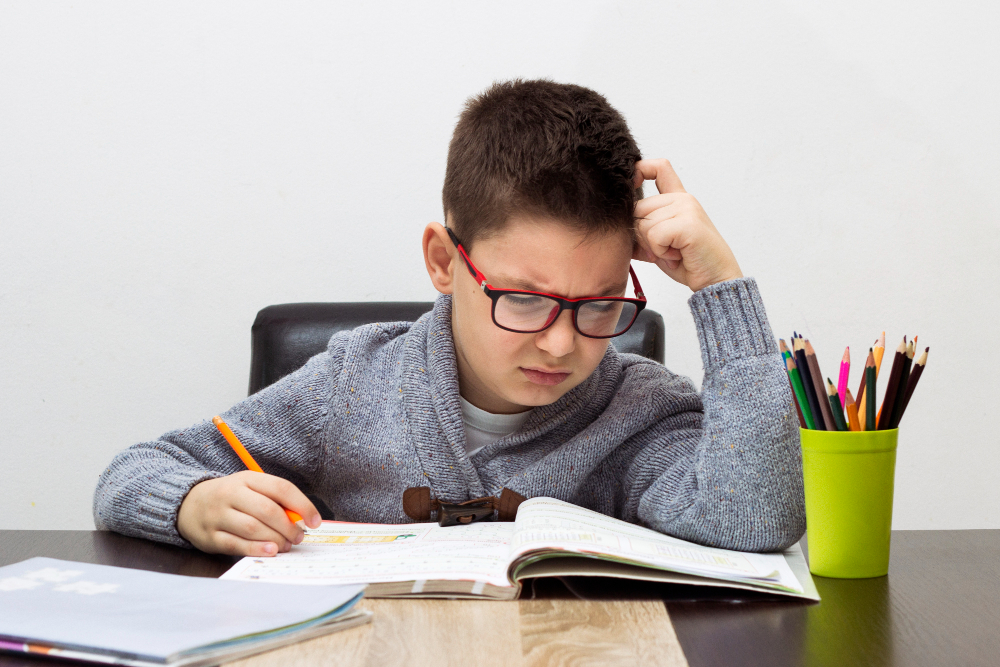
What is Academic Stress in Children from Single-Parent Homes?
Academic stress in children from single-parent homes is a growing concern. It refers to the pressure children feel to do well in school when raised by one parent. Many children in single-parent families face unique challenges. For example, they may feel more pressure to succeed or worry about making their parent proud. Academic stress can affect their mood, health, and school performance. In both urban and rural areas, school pressure in single-parent households can look different. However, the effects are often similar. According to the CDC, stress can impact a child’s mental and physical health.
Common Causes of Academic Stress in Single-Parent Families
Children in single-parent families may face extra stress for several reasons. Understanding these causes can help parents and caregivers support their children better. Some common causes include:
In addition, children may compare themselves to peers from two-parent families. This can increase feelings of stress or isolation.
Recognizing Symptoms of Academic Stress in Children
It is important to spot signs of academic stress early. Children may not always say they feel stressed. However, you can look for these symptoms:
Sometimes, these signs may be mild. But if they last for more than a few weeks, it is important to take action.
Diagnosis and When to Seek Help
Not all stress is bad. However, ongoing academic stress can harm a child’s well-being. If you notice several symptoms, consider talking to your child’s teacher or school counselor. They can help assess the situation. In some cases, a pediatrician or mental health specialist may be needed. According to the American Academy of Pediatrics, early support can prevent more serious problems. If your child talks about feeling hopeless or wants to avoid school, seek help right away.
Effective Support Strategies for Parents and Caregivers
There are many ways parents and caregivers can help children manage academic stress. Here are some effective strategies:
Additionally, connecting with other single parents can provide support and ideas.
Prevention Tips for Reducing Academic Stress
Preventing academic stress is possible with some simple steps. Consider these tips:
Remember, every child is different. What works for one may not work for another. However, small changes can make a big difference over time.
Conclusion
Academic stress in children from single-parent homes is real, but it can be managed. By understanding the causes and symptoms, parents and caregivers can offer strong support. If you notice signs of academic stress in your child, consult Dr. Vaidehi Patel for personalized guidance. Early help can lead to better health and school success.