
What Is Emotional Dysregulation in Children?
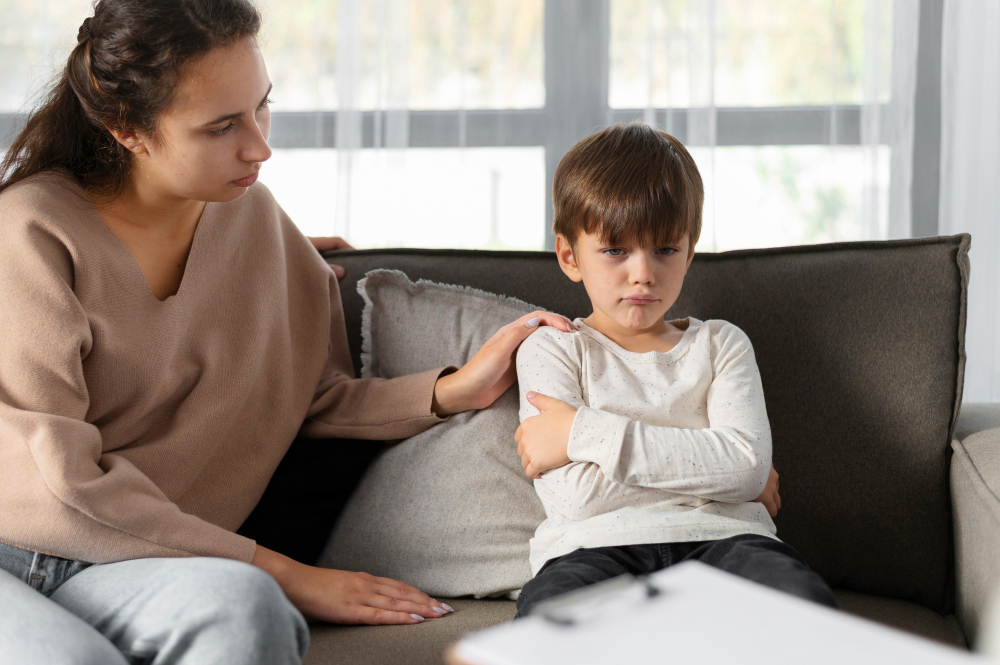
Emotional dysregulation in children means a child has trouble managing their feelings. As a result, they may react with strong emotions that seem out of proportion. For example, a small problem might lead to a big meltdown. While all kids have tough days, frequent meltdowns in kids can signal deeper struggles. In fact, learning about childhood emotional regulation helps parents support their children better.
Common Symptoms and Signs
Children show emotional dysregulation in many ways. Some signs are easy to spot, while others are more subtle. However, knowing what to look for can help you respond early.
Sometimes, children may also cry easily or become frustrated quickly. But with support, many children can learn better ways to manage their emotions.
Causes and Risk Factors
Many things can cause emotional dysregulation in children. For instance, some children may be more sensitive by nature. Others might face stress at home or school. According to the CDC, both genetics and environment play a role.
Additionally, children with certain mental health conditions, like ADHD or anxiety, may struggle more with managing emotions.
How Emotional Dysregulation Is Diagnosed
Doctors use several steps to diagnose emotional dysregulation in children. First, they talk with parents about the child’s behavior. Next, they may ask teachers or caregivers for input. Sometimes, doctors use checklists or questionnaires. In some cases, they may suggest seeing a child psychologist. Early diagnosis helps children get the right support.
Effective Treatment and Management Strategies
There are many ways to help children with emotional dysregulation. Treatment depends on the child’s needs. However, most plans include a mix of approaches.
According to the American Academy of Pediatrics, therapy works best when families are involved. With time and practice, children can learn to manage their emotions better.
Tips for Parents and Caregivers
Supporting a child with frequent meltdowns can feel hard. Yet, small changes can make a big difference. Here are some tips for managing children’s emotions:
Remember, children learn by watching adults. So, showing healthy ways to handle stress helps your child, too.
Prevention and Early Intervention
Early support can prevent bigger problems later. For example, teaching children about feelings at a young age helps them cope better. Also, regular routines, enough sleep, and healthy meals support emotional health. If you notice early signs of trouble, talk to your child’s doctor. Quick action can lead to better outcomes.
When to Seek Professional Help
Sometimes, children need more help than parents can give. If your child’s meltdowns happen often or last a long time, it may be time to seek help. Other warning signs include:
If you see these signs, contact a pediatric specialist or mental health professional. Early help can make a big difference.
Conclusion and Next Steps
Emotional dysregulation in children can be tough for families. However, with understanding and support, most children improve over time. If your child struggles with frequent meltdowns, consult Dr. Vaidehi Patel, a pediatric specialist, for personalized guidance. Early help leads to better emotional health and a happier childhood.