
Introduction
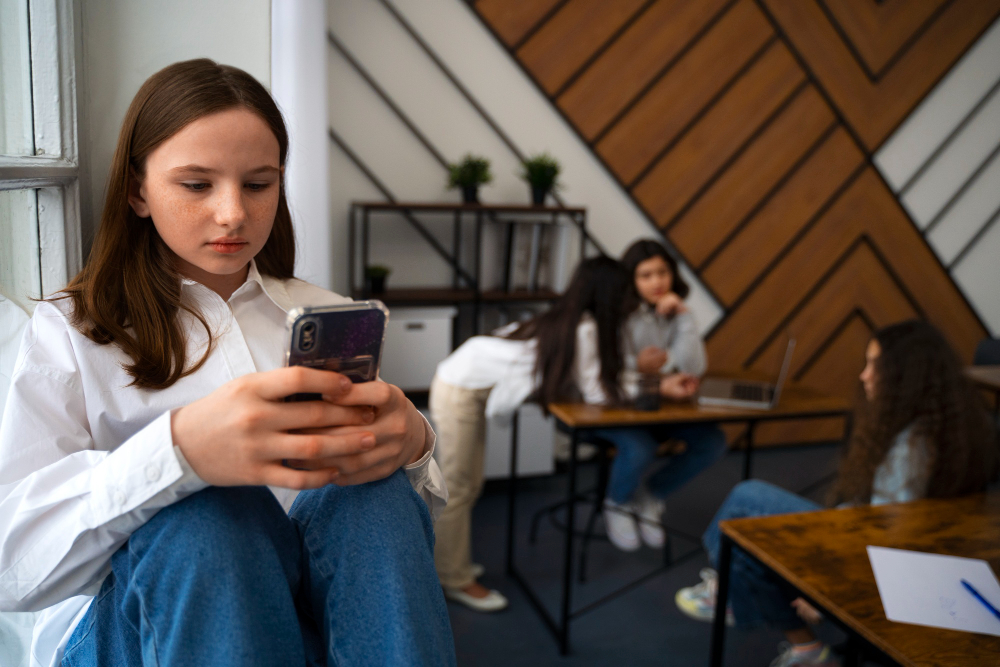
Social media anxiety and depression in adolescents are growing concerns for parents and caregivers. Today, many teenagers use social media daily. However, this constant use can affect their mental health. Social media anxiety in adolescents means feeling nervous, worried, or stressed because of online interactions. Teen depression and social media are closely linked, as online pressure can lead to sadness or hopelessness. According to the CDC and WHO, mental health in teenagers is a top priority. Understanding these issues helps families support their teens.
Symptoms
Recognizing the signs of social media anxiety and depression in adolescents is important. Early detection can lead to better outcomes. Watch for these common symptoms:
Sometimes, teens may hide their feelings. Therefore, it is important to watch for changes in behavior.
Causes and Risk Factors
Many factors can cause social media anxiety and depression in adolescents. Social media platforms can create pressure to look perfect or gain likes. In addition, cyberbullying is a serious risk. Teens may compare themselves to others, which can lower self-esteem. Here are some common causes and risk factors:
Moreover, some teens are more sensitive to online feedback. This can make them more likely to feel anxious or sad.
Diagnosis
Diagnosing social media anxiety and depression in adolescents involves several steps. First, a doctor or mental health specialist will ask about symptoms and daily habits. They may use questionnaires to assess mood and anxiety levels. Sometimes, they will talk with parents or teachers to learn more about the teen’s behavior. Early diagnosis is important. It helps teens get the support they need. If you notice changes in your child, consider seeking professional advice.
Treatment Options
There are many ways to treat social media anxiety and depression in adolescents. Treatment depends on the severity of symptoms. Common options include:
In many cases, therapy helps teens learn healthy ways to cope. Sometimes, a combination of therapy and medication works best. Always follow a healthcare provider’s advice.
Lifestyle Guidance and Coping Strategies
Healthy habits can support mental health in teenagers. Here are some helpful coping strategies:
Additionally, open communication helps teens feel supported. Ask about their online experiences and listen without judgment.
Prevention Tips
Preventing social media anxiety and depression in adolescents starts at home. Consider these prevention tips:
Furthermore, staying involved in your teen’s life can make a big difference.
When to Seek Professional Help
Sometimes, social media anxiety and depression in adolescents need expert care. Seek help if your teen:
If you are unsure, it is always better to ask a pediatrician or mental health specialist. Early support can prevent problems from getting worse.
Conclusion
Social media anxiety and depression in adolescents are serious but treatable. With the right support, teens can thrive both online and offline.
If you notice changes in your child’s mood or behavior, do not wait. Consult Dr. Vaidehi Patel for personalized guidance.